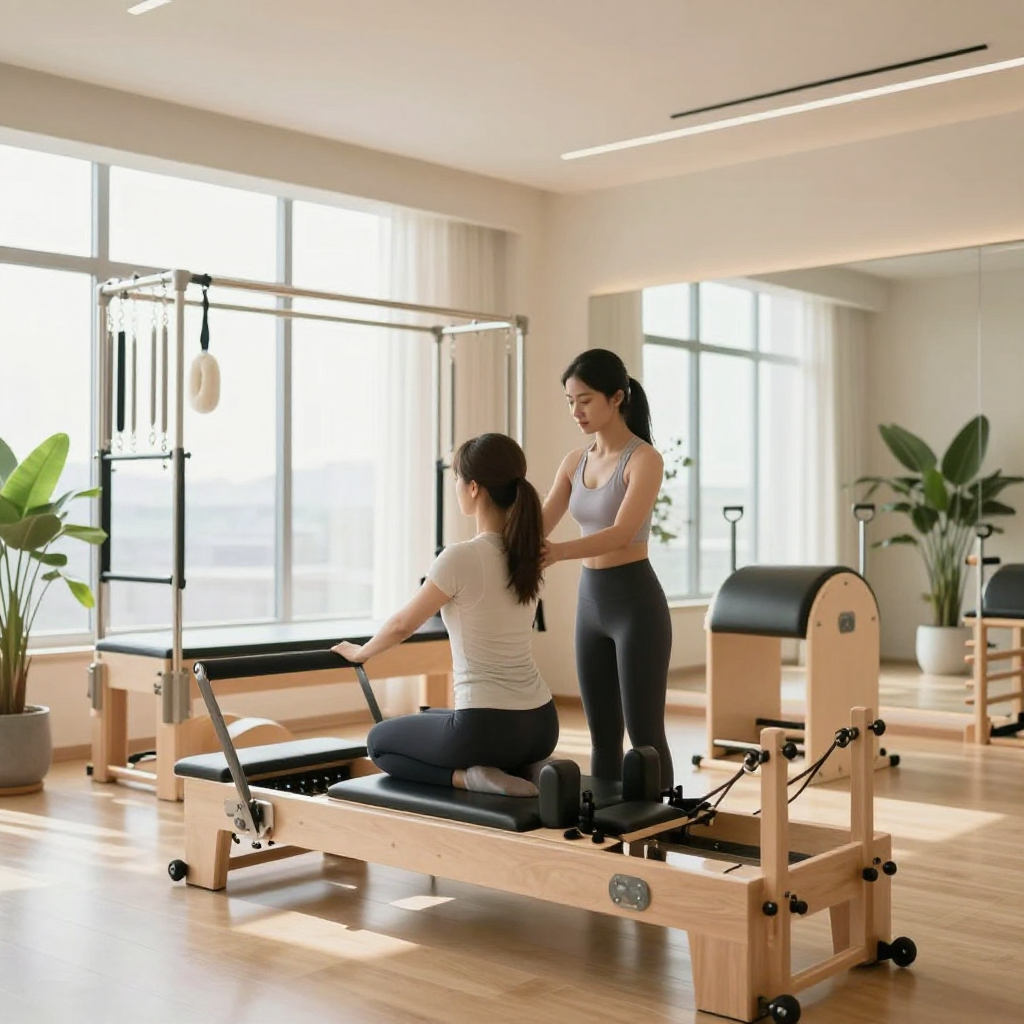
The fitness industry is witnessing a decisive shift. Over 50% of new clients now prioritize low-impact, high-efficacy workouts, and Pilates consistently tops that list. For studio owners, this signals a powerful opportunity to capture a growing segment of committed beginners.

Why do novices commit to a Pilates practice so quickly?
The data is clear. A controlled study published in the Journal of Bodywork and Movement Therapies (2017) revealed that a 12-week program boosted balance by 34% and core endurance by 27% in untrained adults. These tangible, quick wins build trust and dramatically reduce churn.
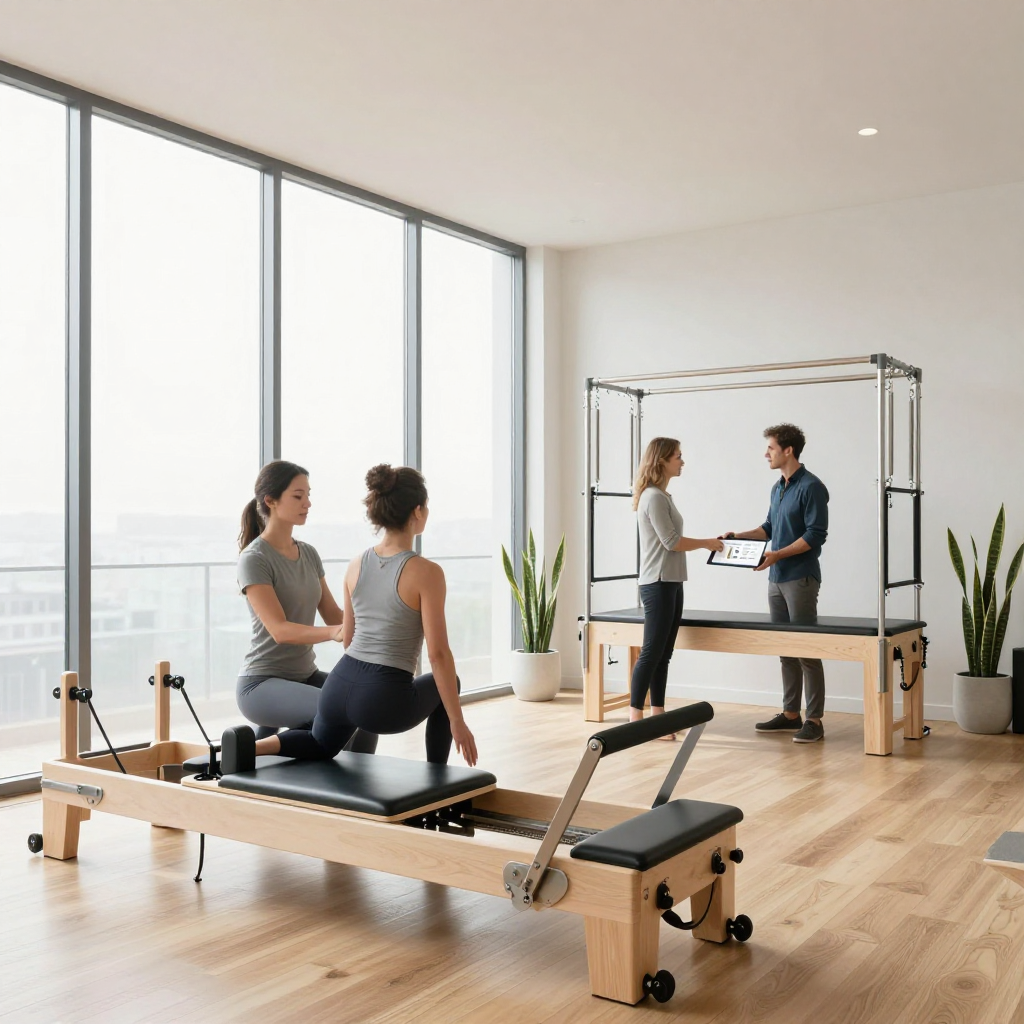
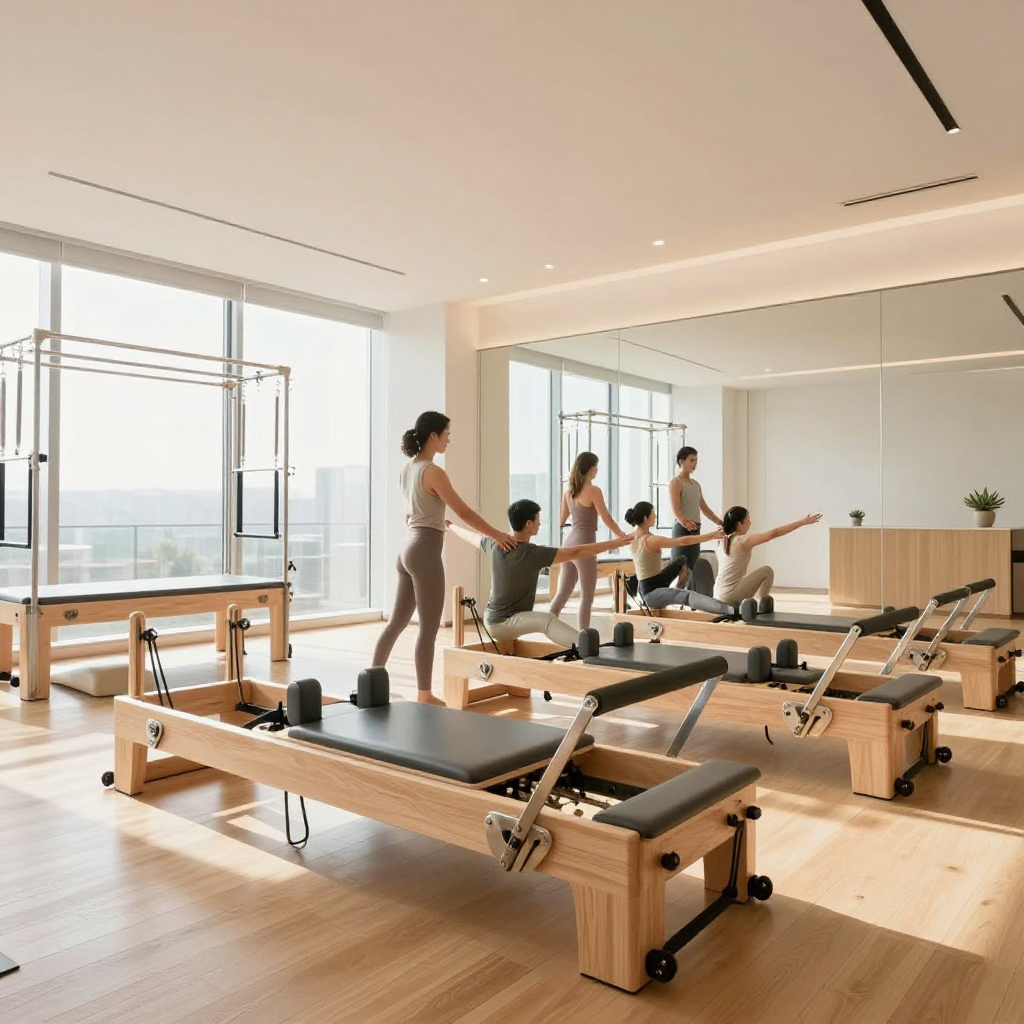
Meeting this surge requires more than skilled instructors. Your selection of commercial-grade reformers, stability chairs, and accessories shapes a beginner's entire first impression. Durable, intuitive equipment lowers intimidation, supports proper alignment, and allows your team to scale introductory classes safely.
This guide delivers a strategic roadmap for that exact purpose. You will discover how targeted equipment investments and structured program design convert curious first-timers into long-term advocates, transforming your studio into the go-to destination for the beginner Pilates boom.
The Compelling Case for Pilates in Your Fitness Business
Why Do Pilates Benefits Create Business Growth?
For beginners, Pilates delivers measurable improvements: core strength, posture correction, flexibility, and stress reduction. These consistent gains drive high membership retention because members experience ongoing, visible progress.
Unlike high-intensity workouts, Pilates provides a low-impact entry point that appeals to those recovering from injury or seeking a safer routine. This safety makes it ideal for corporate wellness programs aiming to reduce employee absenteeism and for the active aging population wanting to maintain mobility without injury risk.
Because Pilates originates from rehabilitation, instructors tailor sessions for chronic pain or post-physical therapy needs. That clinical bridge allows gyms to upsell personal training and small group classes with a therapeutic angle.
Yoga vs. Pilates: Side-by-Side Comparison

ilates' rehabilitation origins and low injury risk position it as a safe upsell. You can market it directly to companies designing corporate wellness packages or to older adults in active aging programs. By integrating Pilates, your fitness business attracts commitment-ready members, extends their lifetime value, and diversifies income through targeted ancillary programming.
Choosing the Right Pilates Equipment for Beginners: A Buyer's Checklist
When outfitting a program for new Pilates users, the three main equipment tiers—Mat Pilates, Reformers, and Chair/Cadillac units—define your studio's service scope and budget. Understanding the trade-offs from day one prevents costly missteps.

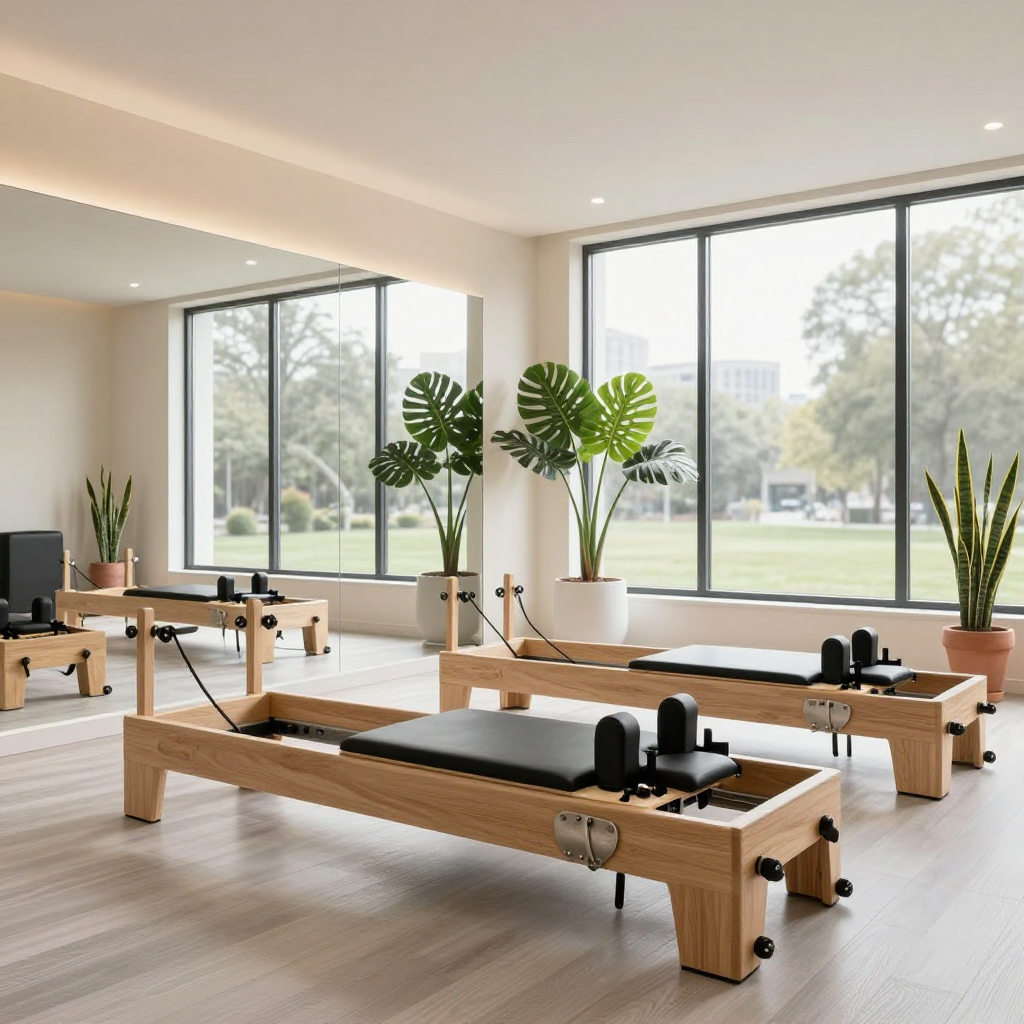
For a starter studio, prioritizing commercial-quality Reformers and thick crash mats is critical. The Reformer remains the most scalable and popular apparatus—it attracts a broad client base and supports progression. Look for models with reinforced frames, multiple safety locking mechanisms, and non-slip carriage surfaces.
When purchasing in bulk, insist on a minimum 2-year frame warranty and 1-year parts coverage on springs and ropes, as these endure high cyclic loading. Distributors often bundle equipment with introductory instructor training packages, either on-site or virtual. This speeds up onboarding and ensures safe, correct equipment use from the first session.
Finally, verify that all upholstery meets fire-retardant standards and is easy to sanitize for high-turnover studio environments.

Launching a Beginner-Friendly Pilates Program That Drives Revenue
How Does a 4-Week Introductory Mat Pilates Workshop Build Revenue?
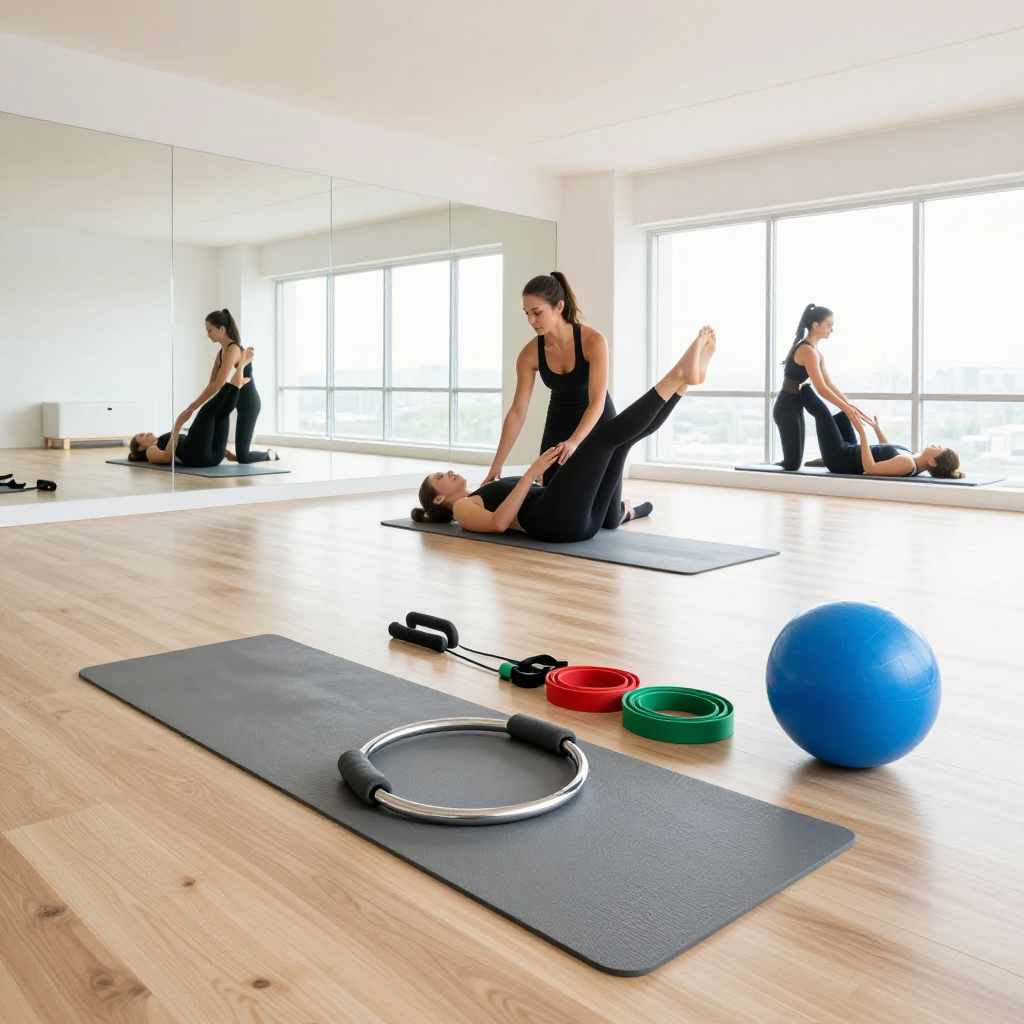
Begin with a structured 4-week program that focuses solely on mat Pilates. The goal is to remove intimidation and build movement confidence. Each session should introduce fundamental principles—breath, core engagement, spinal articulation—using clear, repeatable cues.
- Limit group size to 8–10 participants so instructors can offer hands-on corrections.
- Week 1: Teach pelvic tilts, bridging, and basic arm reach patterns.
- Week 4: Students comfortably flow through a full beginner sequence.
This progressive programming not only reduces drop-outs but also establishes a clear progression path toward equipment-based work. Price the workshop at an accessible entry point, but frame it as the first phase of a dedicated beginner-friendly Pilates program.
Real-world result: Club Pilates franchises often see a 40% increase in per-client spend when members start with a confident foundation and then naturally upsell to Reformer group classes after readiness assessments.
A transparent pathway keeps engagement high and turns one-time visitors into recurring subscribers who value equipment access and instructor guidance.
Pilates for Beginners FAQ & Next Steps
Q: What is the ROI timeline for adding Pilates equipment?
A: Studio owners typically see a return within 6 to 12 months after introducing reformers, chairs, or multi-functional Pilates equipment. Class pricing, schedule density, and how quickly you attract beginner clients drive this timeline. For example, a dedicated introductory reformer class that consistently hits 80% occupancy can recoup your equipment cost through recurring memberships. Pilates for beginners programs accelerate ROI because they fill consistently with clients seeking low-impact, guided movement.
Q: How does Mat vs. Reformer Pilates affect beginner adherence?
A: Mat Pilates demands strong core engagement and body awareness, which can overwhelm newcomers and lower workout adherence. Reformer Pilates provides spring-loaded support and guided resistance, helping beginners feel successful in their first sessions. Mixed-format programs that combine mat work with reformer flows often lift retention by over 30%. This approach keeps your beginner Pilates cohort engaged, reducing churn and building a stable revenue base.
Q: Can I run Pilates classes without certified instructors initially?
A: Running classes without certified instructors creates serious liability and safety risks, especially for beginner Pilates students. Proper certification ensures that instructors can modify exercises for injuries and cue correct alignment. While skipping certification may appear cost-effective, it undermines long-term client loyalty and can lead to costly reputational damage. Invest in credentialed teachers from day one to protect health outcomes and your studio's credibility.
Q: What are the must-have accessories for a beginner Pilates studio?
A: Essential accessories include high-density mats, magic circles, resistance bands, foam rollers, and small inflated balls. For reformer-based programs, add jumpboards and platform extenders. These tools enable progressive programming and keep beginner sessions varied and accessible. Starting with durable accessories also lowers replacement costs and supports consistent, injury-free training at scale.